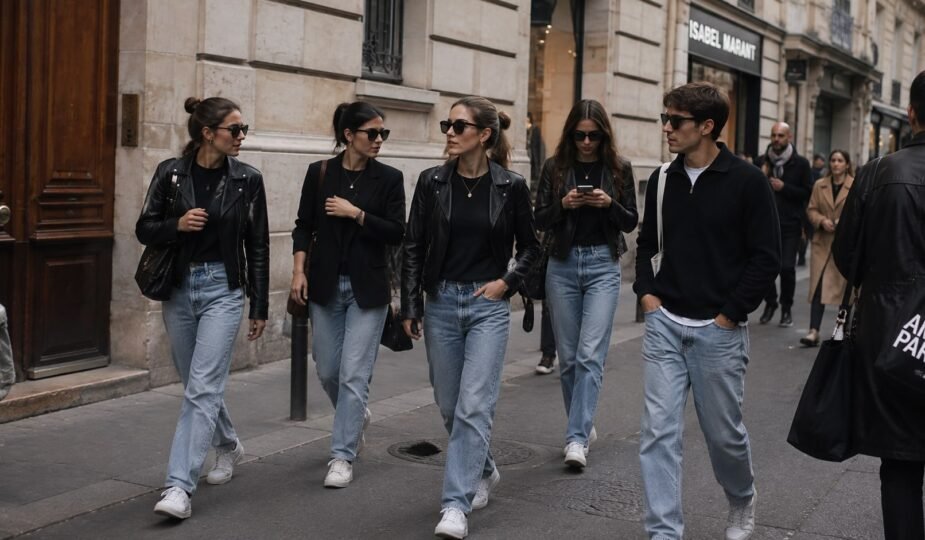
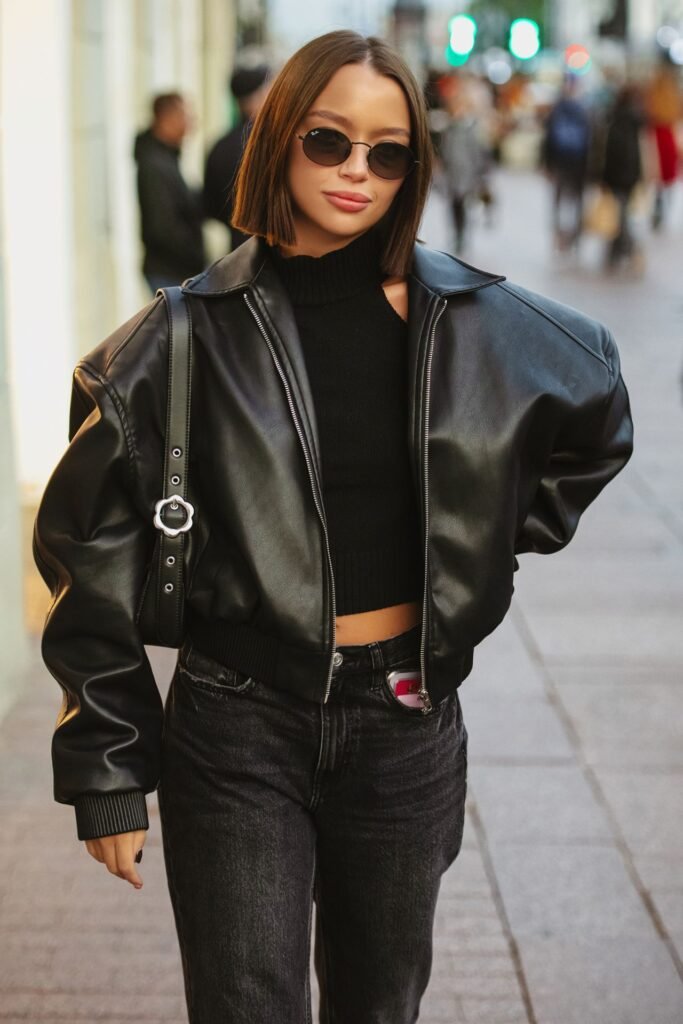
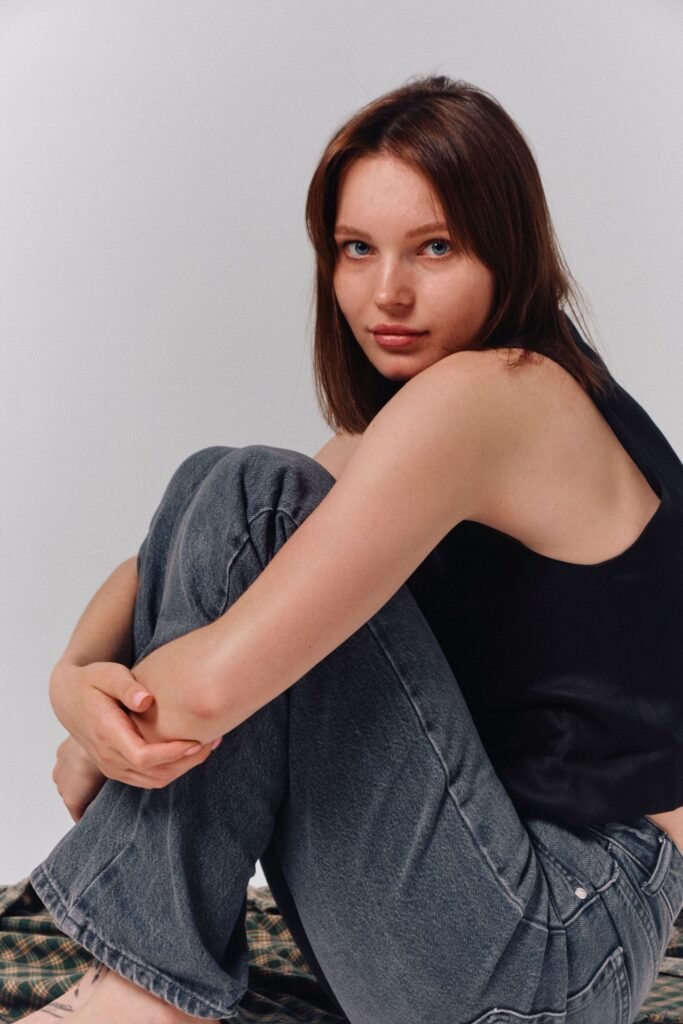
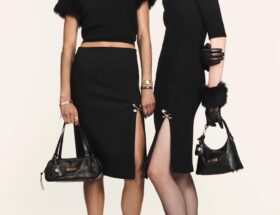
Fashion has always balanced two opposing desires: the need to belong and the desire to stand apart. Today, however, social media has accelerated this tension to an unprecedented degree. Walk through the streets of New York’s West Village, London’s Soho, Paris’s Le Marais, or a university district in Boston, and a familiar silhouette repeatedly appears: a fitted black top, light-wash denim, white sneakers, a leather jacket, and understated gold jewelry.
It has become so recognizable that many have nicknamed it the “Gen Z Uniform.”
But the phenomenon extends beyond one generation. It reflects a broader cultural moment where digital influence, algorithms, and mass retail have reshaped how personal style is formed.
Fashion by Algorithm
For decades, fashion trends emerged from runways, magazines, celebrities, and cultural movements. Today, inspiration travels through algorithms.
Pinterest mood boards, TikTok outfit videos, Instagram reels, and influencer content continuously reinforce the same combinations. A single outfit that performs well online is replicated thousands of times before eventually appearing in high-street collections around the world.
What feels like an individual choice is often the result of a shared digital ecosystem.
This is not imitation in the traditional sense. Rather, millions of people consume the same visual references every day, naturally arriving at similar aesthetic decisions.
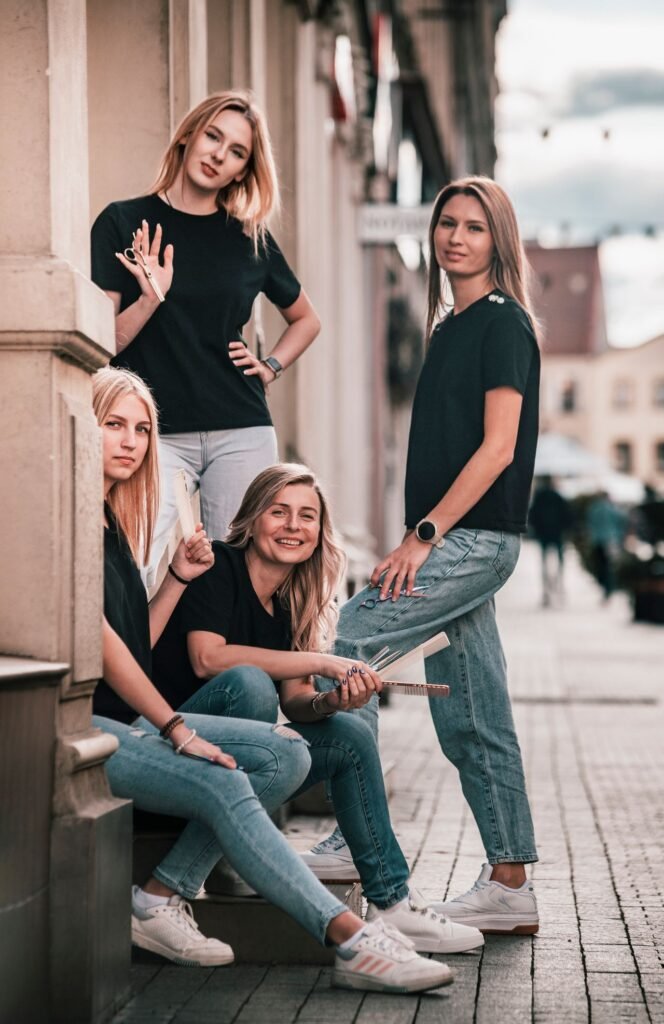
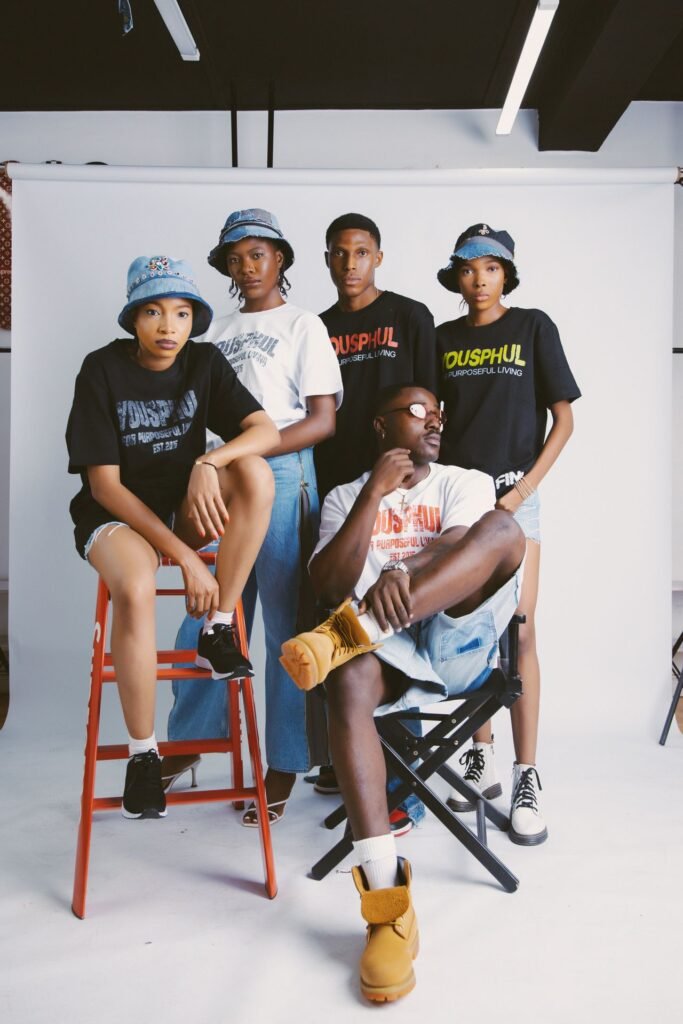
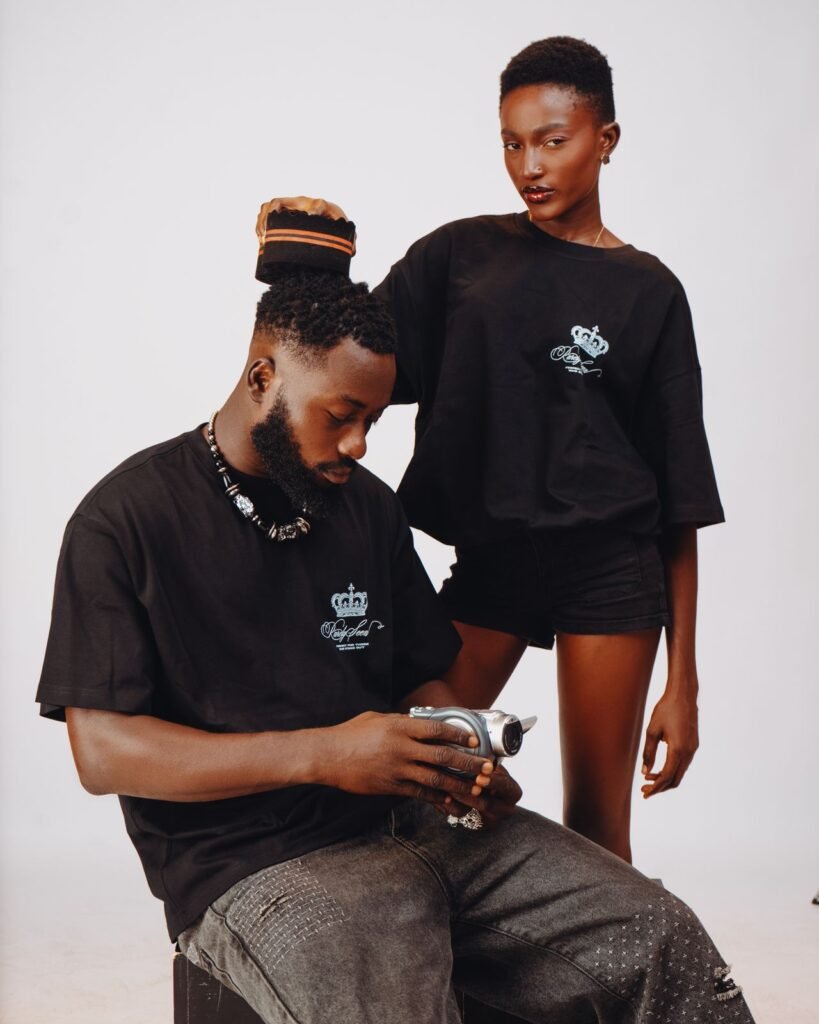
The Psychology of Dressing Safe
The popularity of the black-top-and-denim formula is no accident.
It offers simplicity, versatility, and predictability.
Black complements almost every wardrobe, denim remains universally accepted, and comfortable sneakers reflect changing priorities that increasingly value practicality alongside style.More importantly, the combination minimizes social risk.
Clothing has always communicated belonging. Wearing an outfit already accepted by peers reduces uncertainty and helps individuals navigate social environments with confidence. In an era where every public appearance may be photographed or shared online, choosing familiar silhouettes often feels safer than experimenting.
Uniforms Are Not a New Phenomenon
Every generation develops visual signatures.
Millennials embraced skinny jeans and fitted bodysuits. Earlier decades celebrated riding boots, layered knitwear, or minimalist monochrome wardrobes. Fashion history repeatedly demonstrates that communities naturally develop shared visual languages.
The difference today lies in speed and scale.Social media allows a single aesthetic to become globally recognizable within weeks rather than seasons.
Luxury’s Different Perspective
Interestingly, luxury fashion rarely celebrates perfect uniformity.
While luxury houses establish recognizable codes, they simultaneously encourage individuality through craftsmanship, materiality, and styling.
A tailored jacket gains personality through its cut. A handbag becomes distinctive through years of wear. Jewelry acquires meaning through personal history rather than seasonal relevance.
Luxury is less concerned with following a formula and more interested in cultivating a lasting identity.This distinction explains why true luxury wardrobes often age gracefully while algorithm-driven aesthetics fade quickly.
Beyond Trends: The Return of Personal Style
As fashion cycles continue accelerating, many consumers are rediscovering slower, more intentional approaches to dressing.
Vintage shopping, archival fashion, independent designers, and second-hand marketplaces have become valuable resources for finding pieces that feel personal rather than prescribed.
Individuality does not require abandoning trends entirely.
Instead, it emerges through thoughtful interpretation:
- A distinctive vintage jacket.
- Unexpected color combinations.
- Signature accessories.
- Heritage craftsmanship.
- Personal styling choices that evolve over time.
These subtle decisions transform clothing from a trend into an expression of identity.
The Future of Style
The conversation surrounding the “Gen Z Uniform” ultimately reveals something larger than fashion itself.
It reflects how digital culture shapes taste, how communities form visual identities, and how consumers navigate the balance between acceptance and self-expression.
Uniform dressing will undoubtedly continue to evolve with each new generation.
Yet the enduring appeal of luxury lies elsewhere—not in looking identical, but in cultivating a wardrobe that reflects craftsmanship, longevity, and individuality.
In a world increasingly influenced by algorithms, perhaps the most luxurious statement is not wearing something no one else owns, but wearing something that genuinely feels like your own.
Hennessy Very Special Cocktails Mark a New Chapter for Luxury Spirits


[…] The Rise of the Gen Z Fashion Uniform […]