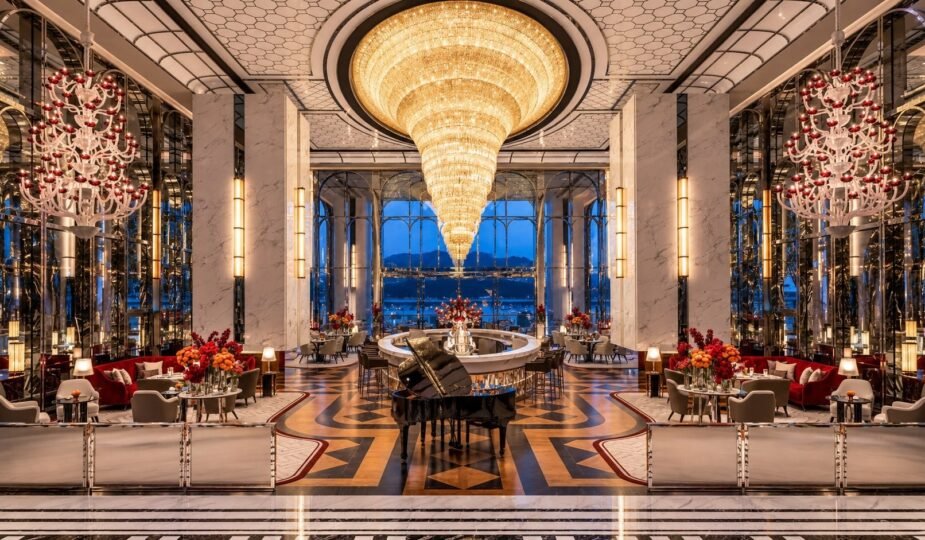
Luxury used to be easy to recognize. A grand entrance, marble floors, an impressive suite, a Michelin-starred restaurant and a five-star rating seemed to provide the answer.
But walk into the world’s leading luxury hotels today and the definition becomes less obvious. The most expensive room is not necessarily the most desirable one. The largest lobby does not necessarily create the strongest impression. And a hotel can offer every conventional luxury amenity while still feeling strangely ordinary.
So what actually makes a hotel brand truly luxury?
The answer lies somewhere beyond the room itself. Modern luxury hospitality is increasingly built around service, identity, privacy, personalization and the feeling that an experience has been designed with extraordinary attention. In other words, luxury is becoming less about what a hotel displays and more about how it makes a guest feel.
Luxury Is More Than Five Stars
A five-star rating tells us that a property meets a particular standard. It does not, by itself, explain why one hotel becomes unforgettable while another becomes simply another expensive place to stay.
Luxury hotel brands understand that the physical product is only one part of the proposition. A beautiful suite can be replicated. Marble can be sourced. Designer furniture can be purchased.
What is much harder to replicate is a distinctive experience.
This is why the strongest luxury hospitality brands build a recognizable philosophy around everything they do, from the way a guest arrives to the way a room is prepared and how a departure is handled.
Four Seasons, for example, places service culture at the centre of its brand, describing its objective around exceptional quality and personal service rather than simply physical luxury. (Four Seasons)
Service Is the Real Luxury
Imagine arriving at two equally beautiful hotels.
At the first, everything is correct.
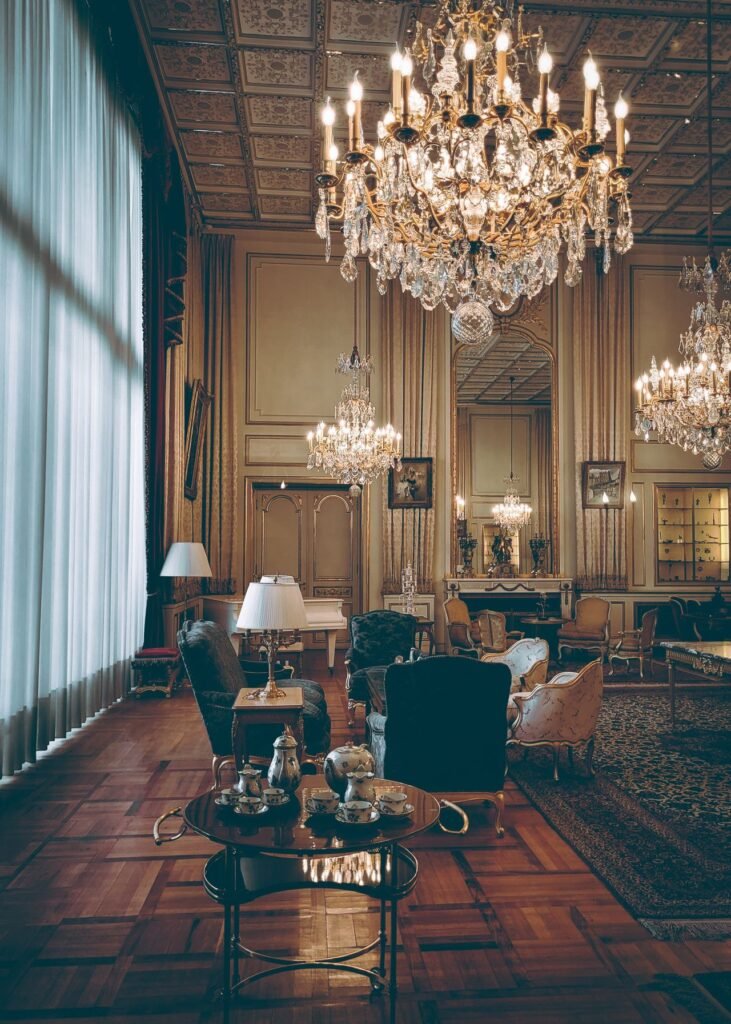
At the second, someone remembers how you take your coffee, understands that you prefer a quieter table and makes the necessary arrangements without turning the interaction into a performance.
The difference is subtle. But that subtlety is precisely where luxury lives.
The industry’s language is increasingly moving from simple personalization towards recognition: understanding what matters to a guest and acting on it discreetly. Recent hospitality thinking has placed greater emphasis on this shift, arguing that personalization only becomes meaningful when it creates a genuine feeling of being understood.
This is also why technology cannot completely replace hospitality. A guest may use an app to arrange dinner or customize a stay, but luxury ultimately depends on whether the experience feels effortless and human.
The best service often goes unnoticed.
That is the point.
Design Should Create a World, Not Just a Beautiful Room
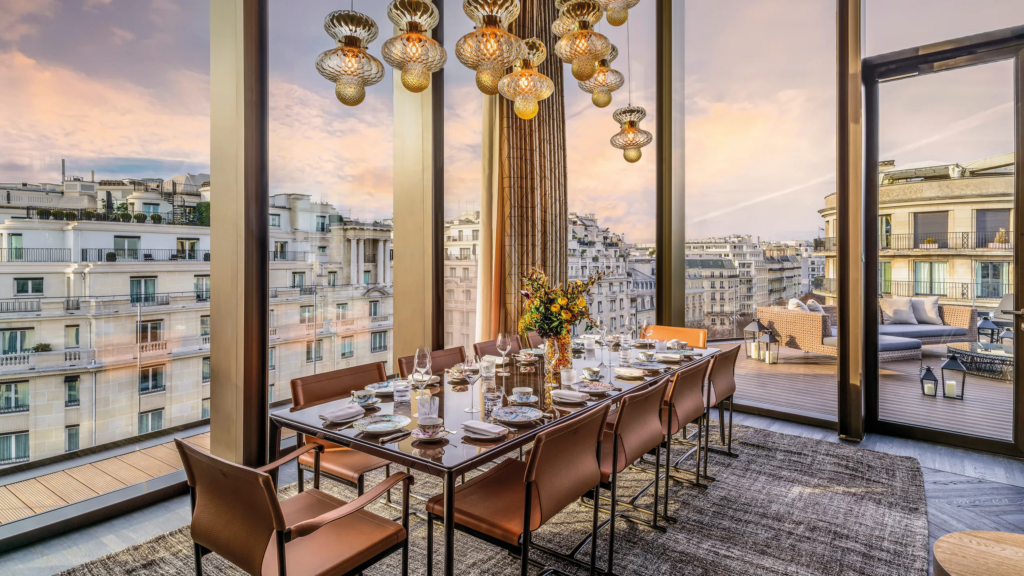
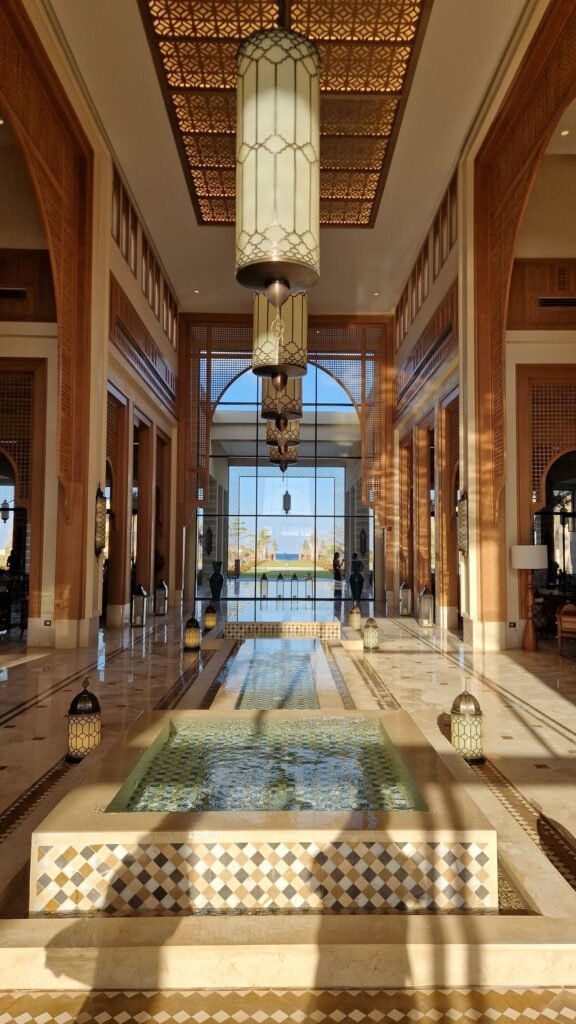
Luxury hotel design is not simply about expensive materials.It is about creating an atmosphere that could belong to that brand and almost nowhere else.
Architecture, lighting, furniture, scent, sound, uniforms, tableware and even the way a door opens can contribute to a hotel’s identity.
Bulgari Hotels & Resorts offers a useful example. Its properties connect the brand’s Roman jewellery heritage with contemporary Italian design, local culture and carefully selected locations. The hotel therefore becomes more than accommodation; it becomes an extension of the Bulgari universe. (Bulgari Hotels & Resorts)
That distinction matters.A luxury hotel should not merely look expensive.It should look intentional.
Privacy Is Becoming a New Measure of Luxury
Perhaps the biggest change in contemporary hospitality is the growing value of privacy.
For today’s affluent traveller, luxury can mean having fewer people around, moving through a property without unnecessary interruptions, having access to private spaces or simply being able to control how much of the outside world enters the experience.
A 2026 analysis from Accor’s luxury hospitality division describes this movement as a shift towards discretion, intimacy and controlled absence rather than conspicuous displays of wealth. (Accor Group)
Aman has built much of its identity around this idea. The brand describes its properties as discreet sanctuaries designed around their geography, architecture and cultural setting, with an experience intended to feel closer to being welcomed into a private home than staying in a conventional hotel.
This tells us something important about modern luxury:
Sometimes the most luxurious thing a hotel can offer is not more, but less.
Less noise.
Less crowding.
Less interruption.
Less visibility.
More space to experience the place on your own terms.
Luxury Needs a Point of View
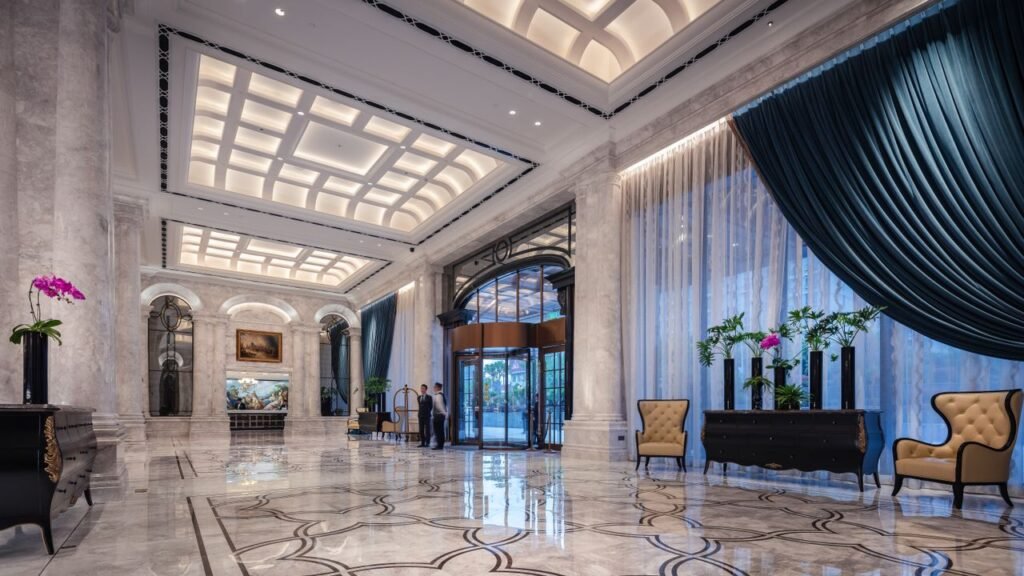
The strongest hotel brands do not simply provide luxury; they have a point of view about what luxury should feel like.
Aman has its serenity.
Four Seasons has its service culture.
Bulgari brings jewellery heritage, Italian glamour and design into hospitality.
These brands demonstrate why branding matters so much in luxury. The guest is not only buying a room. They are entering a particular world.And that world has to be coherent.The architecture must speak the same language as the service. The restaurant must feel connected to the hotel. The staff must understand the brand’s attitude. The digital experience must not contradict the physical one.
Every touchpoint becomes part of the story.
The Luxury That Guests Remember
Ultimately, the most valuable luxury cannot be photographed.
It is the feeling of being understood.
It is arriving somewhere and immediately feeling comfortable. It is knowing that your time is being respected. It is discovering that a small preference was remembered. It is experiencing a place that feels distinctive rather than interchangeable.
Research into luxury hotel experience has similarly emphasized that affluent consumers increasingly value distinctive experiences and a culture of service excellence over purely tangible displays of opulence. (McKinsey & Company)
That may be the most important lesson for the industry.
The future of luxury hospitality will not be won simply by building bigger suites or adding more amenities. It will be won by creating stronger emotional connections.
The New Luxury Hotel
Luxury hospitality is entering a more sophisticated era.
The question is no longer:
“How much luxury can we put into a hotel?”
It is:
“How meaningful can the experience become?”
That is why privacy, personalization, wellness, cultural connection, design and human service are becoming increasingly important. Current hospitality research and industry commentary point towards the same broader movement: travellers are looking for experiences that feel more personal, purposeful and emotionally resonant.
A truly luxury hotel brand therefore does something more difficult than displaying wealth.It creates a world people want to enter and, more importantly, a feeling they want to remember.
That is the difference between a luxury hotel and a luxury brand.
Image credits: Images via respective hotel brands / photographers and © respective copyright owners. Used for commentary, criticism and editorial analysis.









[…] Discover more about Luxury Hospitality – What Makes a Hotel Brand Truly Luxury? […]