Mike Amiri is taking AMIRI into a new chapter. What began in Los Angeles with distressed denim, rock-and-roll references and a streetwear attitude is gradually becoming something more structured: a contemporary fashion house built around tailoring, craftsmanship and a distinctly American point of view.
In a recent conversation with GQ Italia in Milan, Amiri spoke about this evolution and the influences behind it. His vision is not about leaving Los Angeles behind. Instead, it is about bringing Los Angeles creativity together with Italian craftsmanship and European fashion culture.
From Los Angeles to Italian Craftsmanship
Italy has played an important role in AMIRI’s development. Early in the brand’s journey, Amiri travelled through regions including Tuscany and Piemonte, visiting factories and meeting Italian artisans.
The experience gave him a deeper understanding of fabrics, construction and craftsmanship. It also created an interesting balance within AMIRI: the rebellious energy of Los Angeles combined with the precision of Italian manufacturing.
Milan eventually became more than a production base. For Amiri, the city represents fashion history, craftsmanship and belonging.
From Streetwear to Modern Tailoring
The biggest change in AMIRI is visible in the clothes.
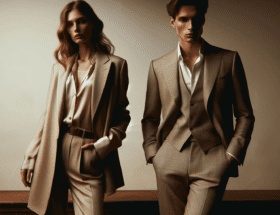
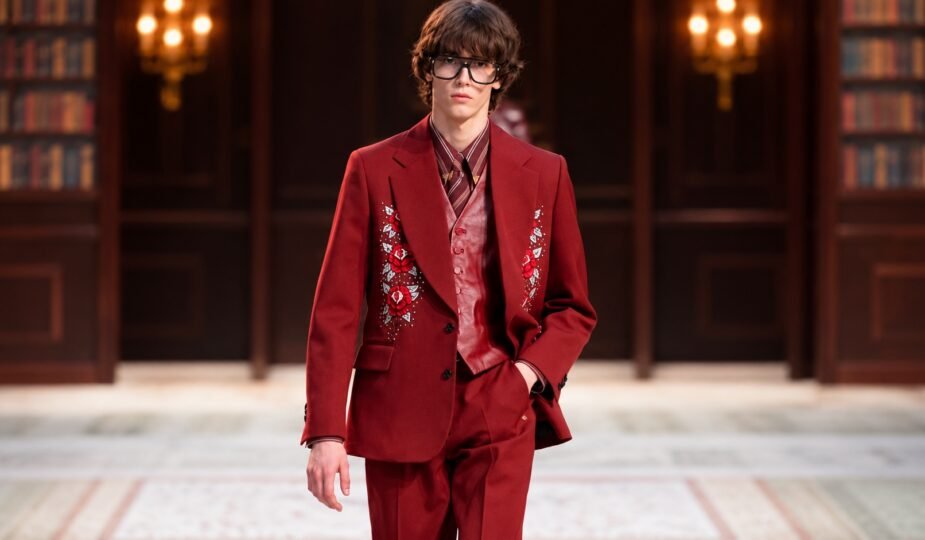
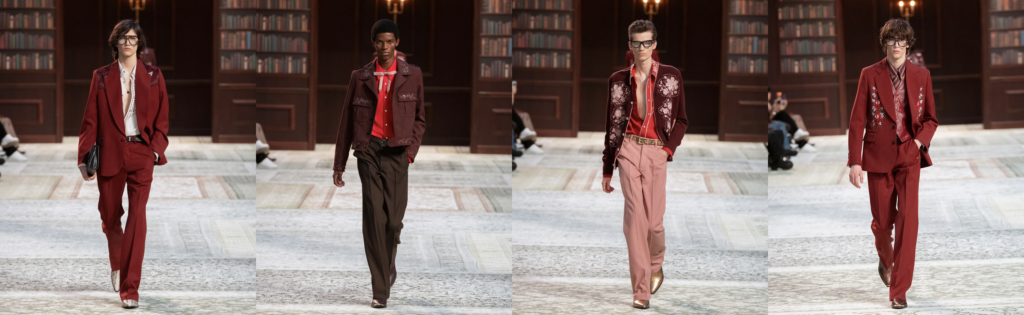
The brand became widely recognised for its distressed skinny jeans, but Amiri is now pushing the house towards tailoring. High-waisted trousers, structured jackets, tuxedo-inspired blazers, denim and western boots are appearing together in a more sophisticated wardrobe.
The interesting part is that AMIRI does not completely abandon its streetwear roots.
A formal blazer can be paired with denim. Tailored trousers can meet a western boot. A silk shirt can sit underneath a structured jacket. The result feels less like traditional formalwear and more like tailoring designed for modern life.
The Art of Knowing When to Stop
One of Amiri’s strongest ideas is that a look needs balance.
The AMIRI approach often begins with a traditional tailoring structure and then introduces one unexpected element. A tuxedo-inspired jacket might meet denim, while a western boot changes the attitude of an otherwise formal silhouette.
This is where the brand feels most convincing.
Rather than adding details simply to make a look more noticeable, Amiri uses contrast carefully. The clothes remain recognisable as tailoring, but they carry the relaxed attitude of Los Angeles.
For AMIRI, the goal is not to let clothing overpower the person. It should amplify personal style.
An American Brand With a European Perspective
Amiri’s increasing presence in Europe is also part of the brand’s evolution.
The designer has spoken about the importance of being physically present in Europe and learning from its fashion culture. Paris and Milan offer a different perspective from Los Angeles, particularly when it comes to the history of tailoring and luxury craftsmanship.
But AMIRI does not need to become European to become a serious luxury house.
Its strength is precisely the tension between these worlds: Los Angeles attitude, Italian craftsmanship and European fashion culture.
That combination gives AMIRI a distinctive position in contemporary menswear.
Entering AMIRI 2.0
Amiri describes the next stage of the company as a kind of “2.0” chapter. After more than a decade, the brand has a clearer understanding of its identity, its strengths and the world it wants to create.
That future extends beyond clothing, with plans around tailoring, footwear, fragrance and further retail expansion.
The challenge will be maintaining the independent spirit that made AMIRI interesting while developing the infrastructure and consistency expected from a global luxury house.
For now, the direction is clear. AMIRI is no longer simply a Los Angeles streetwear success story. It is trying to become a modern American fashion house, using European craftsmanship and a global perspective without losing its original attitude.
And perhaps that is what makes the next chapter worth watching.