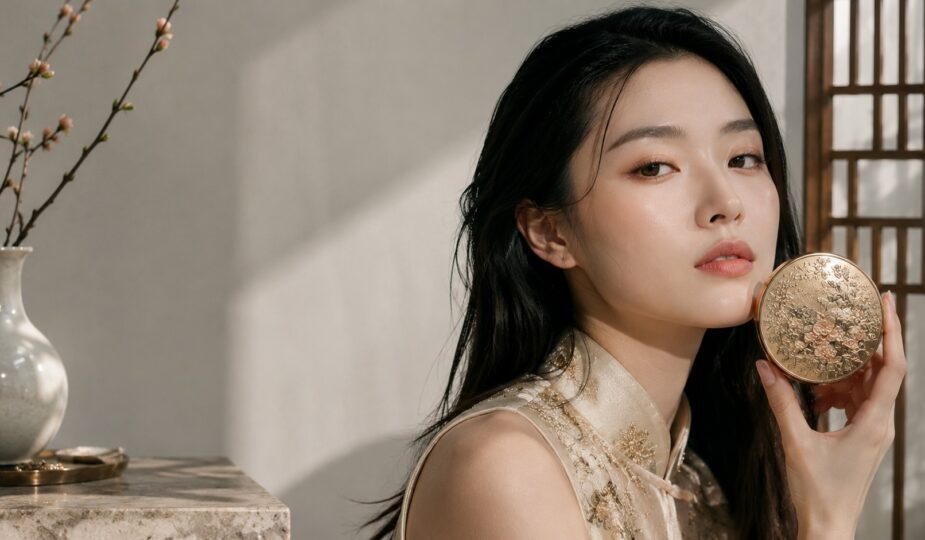
For years, the global beauty industry followed a familiar script. Paris represented timeless luxury, New York championed innovation, Tokyo perfected precision, and Seoul revolutionized skincare through K-Beauty. Each region introduced a distinct philosophy that influenced how consumers approached beauty, from French elegance to Korean multi-step routines.
Today, another transformation is unfolding—one that is less dramatic but potentially just as significant. Chinese beauty brands are no longer content with serving one of the world’s largest consumer markets. They are building brands capable of influencing global trends, challenging long-established beauty houses, and redefining what modern beauty can look like.
The rise of C-Beauty is not simply about China’s growing cosmetics industry. It reflects a much broader shift in consumer expectations. Today’s beauty shoppers are looking for more than effective products. They want authenticity, meaningful storytelling, engaging digital experiences, and brands that reflect culture rather than simply selling products. Chinese beauty companies have responded to these expectations by creating businesses that combine heritage, design, technology, and community in ways that feel distinctly contemporary.
Rather than following the path established by Western luxury brands or Korean skincare companies, C-Beauty is creating its own identity. That identity may become one of the most influential forces shaping the future of beauty.
A New Generation of Beauty Brands
For decades, international beauty companies dominated China’s prestige cosmetics market. French luxury houses symbolized aspiration, American brands represented scientific innovation, and Japanese skincare earned consumer trust through decades of research.
Chinese brands learned from these global leaders, but they did not stop at imitation.
Instead, a new generation of entrepreneurs began asking a different question: What should a modern Chinese beauty brand look like?
The answers have been remarkably diverse.
Florasis transformed traditional Chinese craftsmanship into contemporary luxury packaging. Flower Knows built an international following through whimsical collections inspired by fairy tales and vintage art. Perfect Diary embraced digital-first retail long before many established competitors fully understood social commerce. Brands such as Proya, Guyu, Chando, and Judydoll each developed distinctive identities instead of attempting to become local versions of Western companies.
Collectively, these brands demonstrate an important shift. Chinese beauty is no longer competing on affordability alone. It is competing on creativity, product development, visual identity, and consumer experience.
That evolution mirrors broader changes taking place across China’s creative industries. Fashion, automotive design, technology, and luxury consumption have all moved beyond manufacturing toward original brand building. Beauty has become one of the clearest examples of this transition.
Beauty as Cultural Storytelling
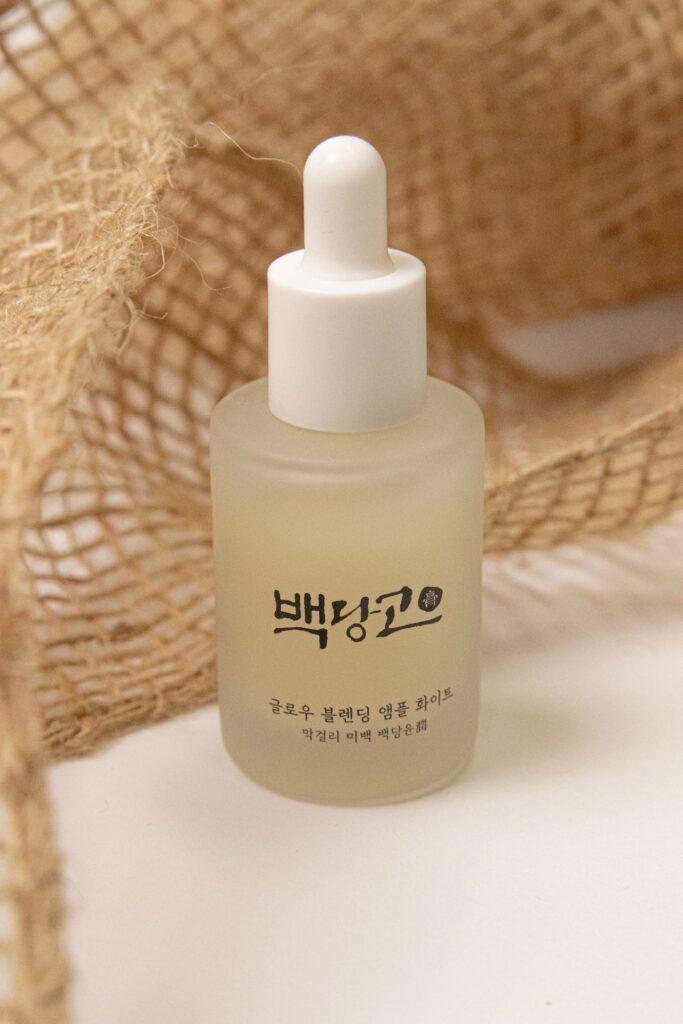
One of C-Beauty’s greatest strengths is its ability to transform culture into brand identity.
Many luxury brands reference their heritage through founder stories or historical milestones. Chinese beauty companies often take a different approach. Rather than focusing primarily on corporate history, they celebrate broader cultural traditions through design, ingredients, architecture, mythology, literature, and craftsmanship.
This shift has been shaped by Guochao, a cultural movement that celebrates contemporary Chinese creativity while drawing inspiration from the country’s artistic and historical heritage.
Unlike temporary marketing campaigns designed around local holidays, Guochao has become a long-term influence on product design itself.
Florasis illustrates this philosophy beautifully. Its pressed powders resemble delicate carvings inspired by traditional craftsmanship, while its packaging references Chinese architecture and decorative arts. The products feel more like collectible design objects than ordinary cosmetics.
Flower Knows approaches storytelling differently. Its collections embrace fantasy, romance, ballet, and vintage illustration, proving that Chinese beauty is not confined to historical references. Instead, it demonstrates the creative freedom emerging across the industry.
These brands are not asking consumers to buy a lipstick or foundation. They are inviting them into carefully constructed worlds where beauty becomes part of a larger emotional experience.
That emotional connection increasingly matters in an industry where product performance alone is rarely enough to build lasting loyalty.
When Design Becomes Part of the Product
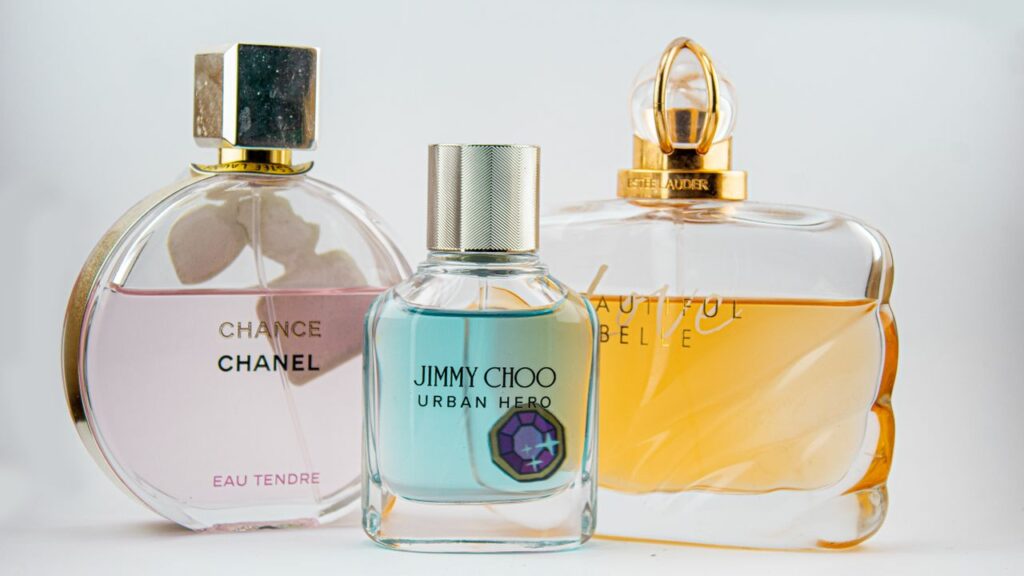
Luxury beauty has always understood the importance of presentation. Iconic perfume bottles, elegant compacts, and carefully designed packaging have long contributed to the prestige of a brand.
C-Beauty expands this idea further.
Packaging is no longer viewed simply as protection for the product. It has become an essential part of the ownership experience.
Generation Z consumers frequently photograph cosmetics before using them. Products appear in social media videos, beauty collections, and vanity displays long before they are finished. In this environment, design becomes content.
Chinese beauty companies have embraced this reality exceptionally well.
Many launches feature limited-edition packaging, intricate embossing, collectible cases, and artistic collaborations that encourage consumers to keep products long after they are empty. Beauty becomes something to display, collect, and share rather than simply consume.
This approach reflects changing ideas about luxury itself.
Exclusivity remains important, but emotional engagement increasingly defines desirability. Consumers want products that tell stories, express personality, and create memorable experiences.
China’s Digital Advantage
Perhaps no country has integrated beauty and technology more successfully than China.
While many global brands still separate marketing, retail, and customer engagement into different departments, Chinese beauty companies often operate within a unified digital ecosystem.
Platforms such as Douyin, Xiaohongshu, and WeChat allow consumers to discover products, watch demonstrations, read reviews, ask questions, purchase instantly, and share their experiences without leaving the same digital environment.
This creates a continuous relationship between brands and consumers.
Instead of launching occasional advertising campaigns, companies participate in ongoing conversations that evolve alongside changing trends.
The speed of this ecosystem has transformed product development.
Consumer feedback arrives almost immediately after new launches. Brands identify emerging preferences quickly, adjust marketing strategies in real time, and develop new collections at remarkable speed.
This level of responsiveness is difficult to achieve through traditional retail models.
For international luxury companies, China’s digital ecosystem increasingly serves as a preview of how beauty commerce may evolve worldwide.
More Than Another Version of K-Beauty
Comparisons between C-Beauty and K-Beauty are inevitable, but they overlook an important difference.
K-Beauty changed global skincare by introducing innovative ingredients and routines that encouraged consumers to rethink skin health.
C-Beauty is changing something different.
It is redefining how beauty brands create emotional value.
Rather than focusing on one signature ingredient or routine, Chinese beauty companies combine product performance with storytelling, artistic presentation, digital engagement, and cultural identity.
Beauty becomes part of a broader lifestyle rather than a daily routine alone.
This distinction gives C-Beauty a unique position within the global market.
Instead of replacing Korean or Western beauty, it offers consumers another perspective—one where cosmetics become expressions of creativity, heritage, and individuality.
Why Luxury Brands Are Paying Attention
The beauty industry rarely ignores genuine innovation.
International companies have already begun recognising the potential of China’s domestic beauty sector through investments, partnerships, and increased attention to local trends. Retailers are gradually expanding access to Chinese brands outside Asia, while consumers become more willing to explore alternatives beyond familiar names.
At the same time, younger shoppers increasingly value authenticity over legacy.
A prestigious logo alone no longer guarantees loyalty.
Consumers want brands that communicate purpose, reflect cultural identity, and create experiences extending beyond the product itself.
Chinese beauty companies have built many of their businesses around precisely these expectations.
Their success demonstrates that modern luxury is no longer defined solely by geography or history. Creativity, storytelling, community, and innovation now play equally important roles.
The Future of C-Beauty
C-Beauty’s international journey is still in its early stages.
Building long-term trust in overseas markets will require consistent quality, regulatory compliance, broader retail distribution, and continued investment in research. Competition remains intense, with established luxury houses and Korean beauty brands continuing to innovate.
Yet the industry’s trajectory is difficult to ignore.
China is no longer simply one of the world’s most important beauty markets—it is becoming one of its most influential creative centres.
The companies emerging today are not attempting to replicate Parisian elegance or Korean skincare philosophy. They are creating their own language of beauty, shaped by Chinese culture, digital innovation, artistic design, and a generation of consumers eager to support brands that feel authentic.
Whether every C-Beauty brand succeeds internationally is almost beside the point.
What matters is that the industry has already expanded the global conversation about beauty. It has shown that luxury can be interpreted through different cultural perspectives, that social commerce can reshape consumer behaviour, and that meaningful storytelling can be just as powerful as product performance.
The next decade will determine how far Chinese beauty brands travel beyond their domestic market. But one thing is already clear: C-Beauty is no longer a trend to watch from a distance. It has become an important chapter in the future of global beauty.
Sources: This editorial feature is based on independent analysis supported by industry research, market data, and public information, including Statista’s The Rise of C-Beauty, alongside broader reporting from the global beauty industry. Statistical references have been incorporated into original editorial commentary.





[…] Beyond K-Beauty: Why China’s Beauty Industry Is Entering Its Defining Moment […]