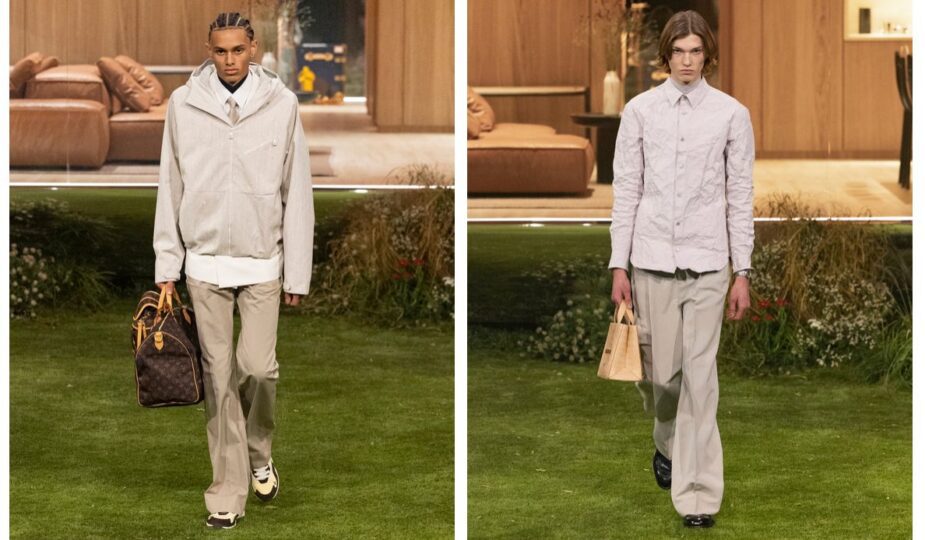
Collection Breakdown: Materials, Objects, and the Language of Use
Creative Director: Pharrell Williams
Paris, 2026
Pharrell Williams’ Winter 2026–27 collection for Louis Vuitton is constructed less as a seasonal statement and more as a system. Across the runway, garments, accessories, and objects are treated as evolving tools shaped by weather, time, and daily movement. The collection avoids spectacle, instead investing deeply in material research, modularity, and comfort. Below is a breakdown of the collection’s key components, developed in proportion to the depth of information revealed during the show.
1. Outerwear and Weather-Treated Garments
Outerwear forms the emotional and conceptual foundation of the collection. Trench coats, parkas, and raincoats are designed to visually register water, not as a motif but as a physical condition.
Several trench coats feature hand-applied crystal embroidery designed to replicate rainfall. The application is intentionally uneven, with denser concentration at the shoulders that gradually disperses downward, mirroring how rain naturally falls on the body. Heat-sealed techniques are also used to create permanent rain-like effects that remain resistant and durable.
Garment dyeing plays a crucial role in communicating time and wear. Reds, browns, and neutrals appear intentionally faded, suggesting garments that have already lived a life. One raincoat features a two-step print process: a garden scene printed beneath a transparent layer, overlaid with water droplets, evoking the experience of looking through a rain-soaked window at dusk.
Rather than pushing silhouette innovation, these pieces rely on surface intelligence and tactile realism to carry their narrative.
2. Tailoring and Structured Jackets
Tailoring remains restrained and recognisable. Pharrell continues to reject avant-garde pattern cutting in favor of established menswear forms, allowing materials and internal construction to do the work.
Jackets and coats incorporate neoprene wool, which provides structure while maintaining softness. Some garments include aluminum-infused layers, allowing the fabric to hold shape and be subtly manipulated, introducing a more animal, reactive quality to otherwise classic pieces.
House codes appear discreetly: leather buttons, Vivienne leather trims, subtle monogram placements. The tailoring does not aim to dominate the runway but to integrate seamlessly into a long-term wardrobe. This restraint may limit visual impact on first glance, but it strengthens the collection’s coherence and longevity.
3. Trousers and Silhouette Variations
Trousers are one of the few areas where Pharrell allows noticeable variation in form. Flared hems, cropped lengths, and vintage golf-inspired silhouettes introduce rhythm and movement.
A key highlight is the use of vicuña, dyed to resemble faded denim. The dye reacts irregularly with the fiber, creating tonal variation that is intentionally preserved. The result is a luxury material presented with the visual language of wear and imperfection, reinforcing the season’s emphasis on time and use.
Five-pocket trousers appear in thick wool, engineered to maintain a clean line from the knee down while referencing 1980s proportions that Pharrell favors. These silhouettes balance nostalgia with modern restraint, adding character without theatricality.
4. Bags and Leather Goods
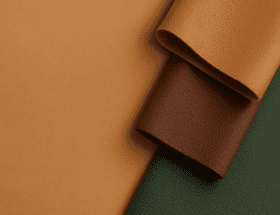
Leather goods receive the most extensive development in the collection, reaffirming Louis Vuitton’s central identity as a trunk maker and travel house. Over one hundred bag designs are created for the show, many of which explore modularity, reversibility, and performance.
A key innovation lies in fully reversible bags. Hardware elements are designed to be detachable and reattached when the bag is turned inside out, allowing the object to function seamlessly in both configurations. This approach treats the bag as an adaptable system rather than a fixed object.The Extendable Keepall exemplifies this philosophy. Designed to expand in size, it can shift from a compact daytime bag to a larger travel format, reinforcing Vuitton’s association with movement and practicality.
Material experimentation is equally central. A silk-nylon monogram fabric, composed of 51 percent silk and 49 percent nylon, reimagines the classic toile as a lightweight, high-performance textile. It is positioned as a future-facing interpretation of Vuitton’s heritage rather than a nostalgic one.
Another notable development is the waterproof monogram bag, where the iconic pattern only becomes visible when wet. This technology transforms rain from an inconvenience into a revealing gesture, aligning perfectly with the collection’s water narrative.
The runway also features playful collector objects, including gadget bags and bag-within-a-bag constructions, reinforcing Pharrell’s interest in emotional attachment and collectability.
5. Footwear and Functional Objects
Footwear continues the theme of understated innovation. Shoes are designed to look structured and sometimes retro, yet feel unexpectedly soft and flexible.
Several styles feature gel insoles, lightweight construction, and flexible soles, ensuring comfort without sacrificing visual authority. Cycling-inspired shoes, derby styles with sculptural heels, and thick-soled designs are all engineered to move naturally with the body.
Even when footwear appears heavy, it remains responsive and wearable, reinforcing Pharrell’s belief that luxury should be experienced physically before it is noticed visually.
Credits
Images via Louis Vuitton. © respective copyright owners. Used under fair use for commentary and critique.


[…] Louis Vuitton Menswear Winter 2026–27 […]